
Welcome To The Yogi Institute Blog
What Yoga Training Should I Take After My 200-Hour?
Wondering what comes after a 200-hour yoga teacher training? Learn when to choose a 300-hour program, a specialty certification, or a shorter continuing education course.
Can I Do Online Yoga Teacher Training While Working Full-Time?
Learn how long a 200-hour online yoga teacher training really takes, how many hours to plan each week, and what to check before enrolling.

How to Teach Your First Yoga Class When You Don’t Feel Ready
Nervous after online yoga teacher training? Learn how to plan, practise, and teach your first yoga class safely—even if you don’t feel ready.

Poem To Joy
Can joy be chosen without being forced? As we begin 40 Days of Joy, this poem invites us to notice joy’s quieter forms—and give ourselves the time and space to discover what joy means for us.

Is Online Yoga Teacher Training Worth the Cost? 3 Honest Questions to Ask
Is online yoga teacher training worth the investment? Jill shares what training really costs, whether teaching can help you earn it back, and why mentorship, authentic instruction, and personal transformation matter just as much as the certificate.

Can You Teach Yoga Without Being Physically Flexible?
You don’t need to touch your toes, master advanced poses or have a “perfect” yoga body to become a meaningful teacher. Discover why compassion, awareness and the ability to support different bodies matter far more than physical flexibility.

How Much Does Online Yoga Teacher Training Cost—and Can You Actually Get a Job After?
Explore how much online yoga teacher training costs in 2026, whether you can get a yoga teaching job with an online certification, and how to choose the best affordable 200-hour or 300-hour yoga teacher training for your goals, budget, and learning style.
Why Consistency Matters More Than Intensity: Yoga as a Whole-Person Wellness Practice
What if the benefits of yoga aren't about practicing harder or longer, but about showing up consistently? Explore how Vinyasa, Strength, Yin, Restorative, Kundalini and Meditation work together to support physical, mental, emotional and spiritual wellbeing — and why even shorter, regular practices can create meaningful change over time.

30-Day vs. 40-Day Yoga Challenge: Benefits, Differences & How to Choose the Right One
What could change if you committed to yoga every day for 30 or 40 days? A daily yoga challenge is about more than building a consistent practice—it’s an opportunity to create space for greater awareness, well-being, and self-discovery. Explore the benefits of a daily commitment and discover whether a 30-day wellness challenge or a 40-day Kundalini journey is the right fit for you this September.

Teaching Yoga on YouTube? Here's What I Wish More Teachers Knew
After publishing 487 YouTube videos and earning more than 48,000 views, I learned that teaching yoga online and building a monetized YouTube channel are two very different things. Here’s what yoga teachers should know about changing monetization requirements, ads, watch hours, and using YouTube to build a sustainable online teaching business.
Do You Need to Be Flexible for Yoga? Why Yoga Is Really About Becoming More Yourself
Do you need to be flexible to practice yoga? It's one of the most common questions I hear as a yoga teacher—and one of the biggest misconceptions. In this personal reflection, I share how a surprising experience in Camel Pose taught me that flexibility isn't created by forcing the body, but by feeling safe enough to let go. Discover why yoga is about so much more than touching your toes, and how the real practice helps you build trust, resilience, and a deeper relationship with yourself.
Five Years of Becoming- A Letter to the Yogi Institute Community
The business may have begun with me, but the story belongs to all of us. As Yogi Institute celebrates five years, I'm reflecting on the moments that shaped this community—from teaching early morning livestreams to one-student trainings, moving countries, and discovering that true connection isn't limited by place or time.
You've Completed Your 200-Hour Yoga Teacher Training... Now What?
You've completed your 200-hour yoga teacher training—but what comes next? Discover how a 300-hour yoga teacher training, personalized mentorship, continuing education, and a supportive yoga community can help you deepen your practice, expand your teaching skills, and compassionately meet yourself exactly where you are.
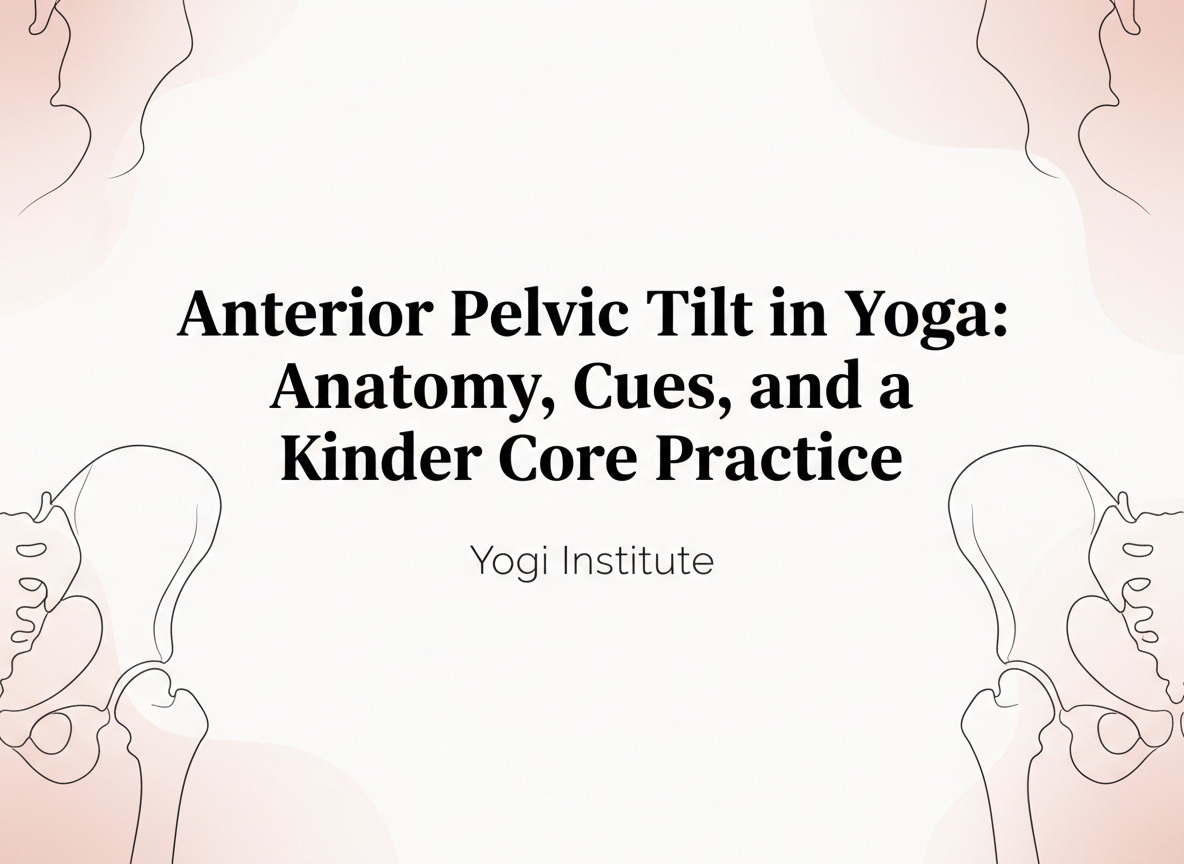
Anterior Pelvic Tilt in Yoga: Anatomy, Cues, and a Kinder Practice
Sometimes the body arches because the nervous system is reaching for safety. This week’s blog is anatomy-forward and heart-forward: pelvic tilt, breath, and a kinder way to find stability. If you’re ready to backbend with more self-trust, this is for you.
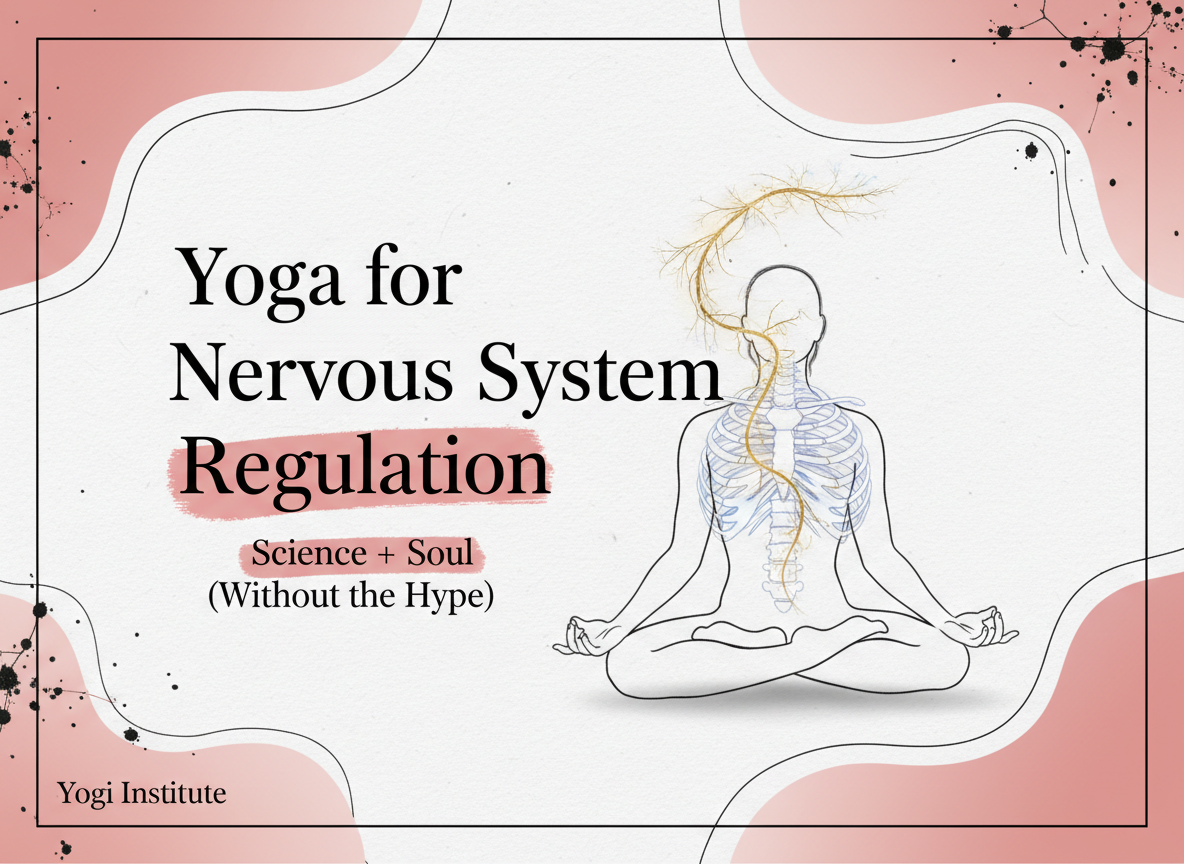
Yoga for Nervous System Regulation: Science + Soul (Without the Hype)
Your nervous system is trainable: when you pair anatomy-smart movement with steady breath and mindful attention, you’re not just “relaxing”—you’re practicing a repeatable skill for resilience. Learn anatomy-forward, breath-led yoga practices that support nervous system regulation—plus a simple sequence to build calm and self-trust.
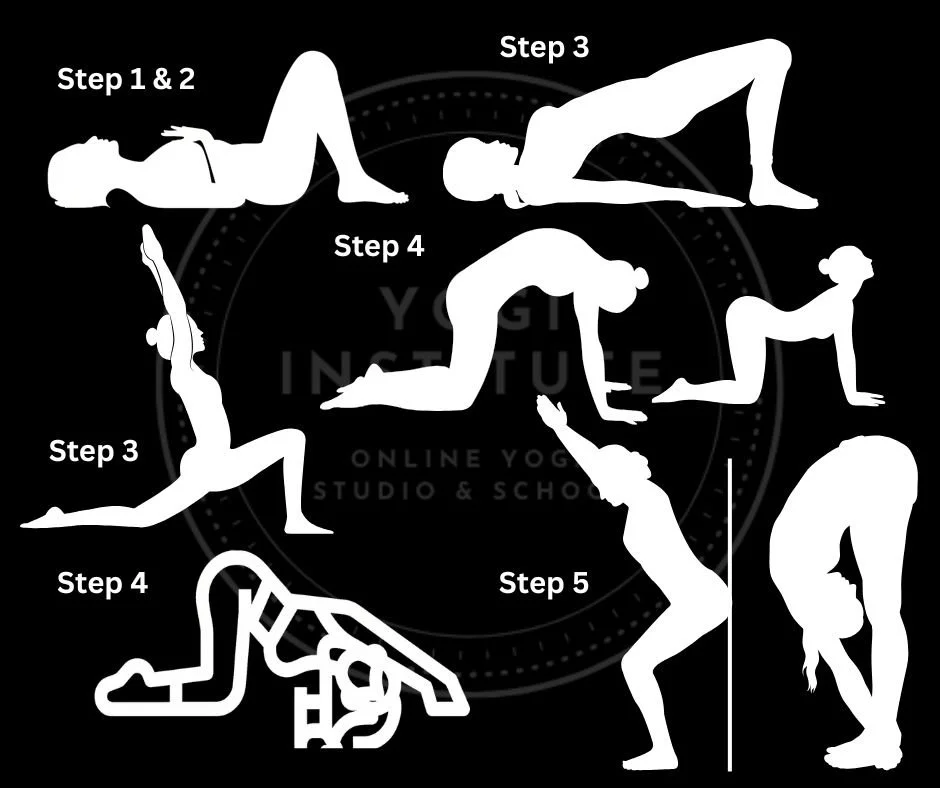
Yoga for Low Back Pain Relief: Anatomy-Informed Moves That Actually Help
If your low back has been feeling tight lately, you don’t necessarily need to stretch harder—you may need a smarter kind of support. In this anatomy-informed practice, we’ll start by downshifting the nervous system with breath, then organize the pelvis and deep core so your low back isn’t doing all the work. From there, we’ll balance the hips (hello, hip flexors and glutes), add gentle thoracic mobility, and finish with simple standing shapes that reinforce steadiness over strain. This is a compassionate, repeatable sequence designed to help you feel more stable, spacious, and at ease—without forcing range of motion.
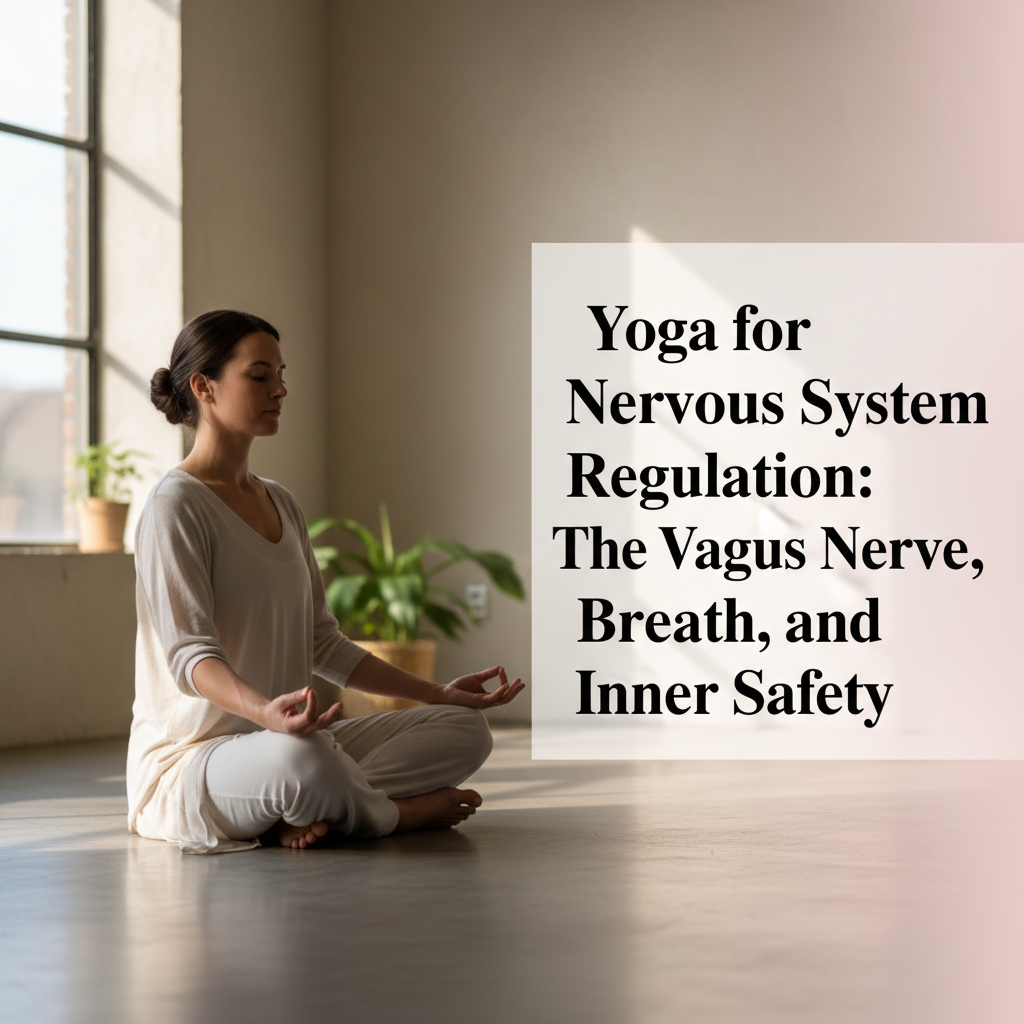
Vagus Nerve Yoga: Breath + Movement for a Calmer Nervous System (Science + Spirit)
A gentle, anatomy-forward path to feeling more grounded. In this post, Jill breaks down what the vagus nerve is (in simple terms), why breath and pacing matter for nervous system regulation, and shares a calming 10-minute practice you can try today—blending science-backed education with the inward journey of yoga and inner safety.
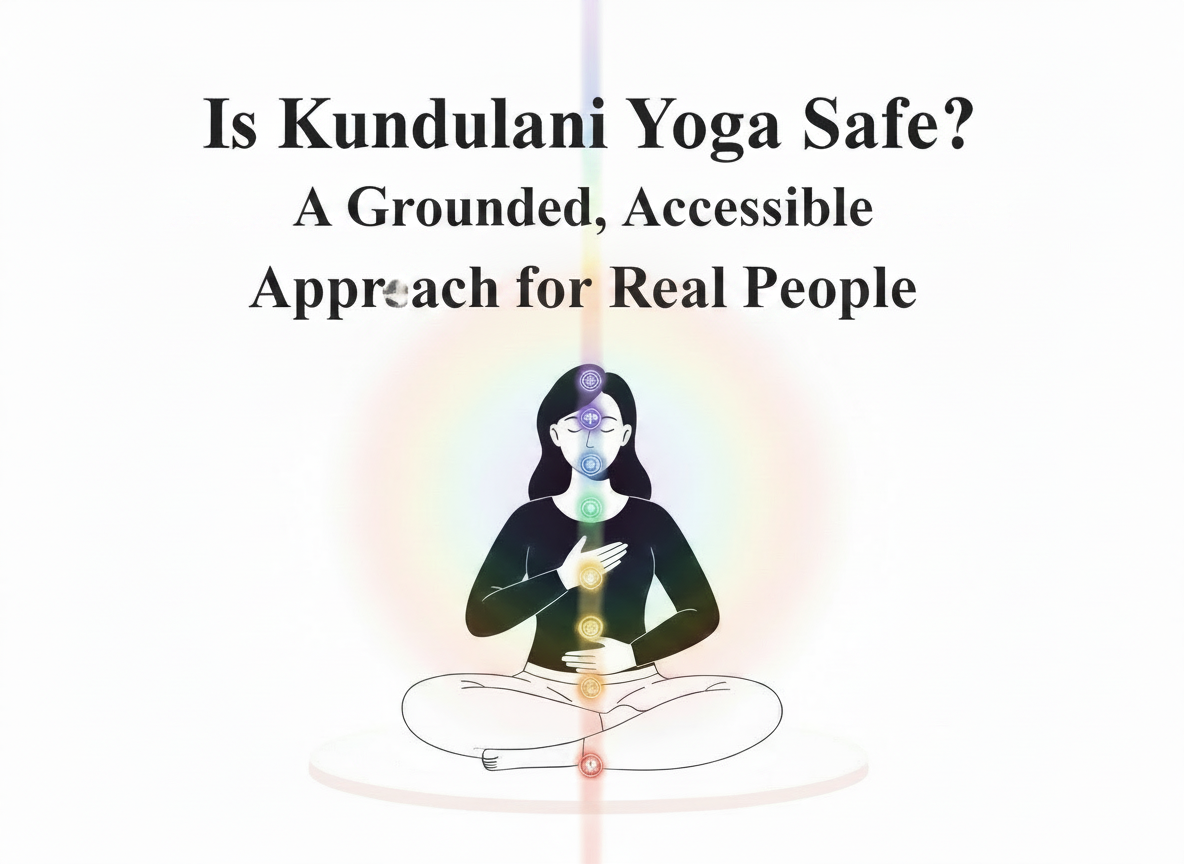
Is Kundalini Yoga Safe? A Grounded, Accessible Approach for Real People
Kundalini Yoga gets labeled as “powerful” for a reason—but powerful doesn’t have to mean intense, scary, or inaccessible. If you’ve been curious and also a little cautious (because of what you’ve heard online), you’re not alone. The truth is: safety in Kundalini isn’t about avoiding the practice—it’s about howit’s taught and how you pace it.
In this post, we’ll explore what Kundalini Yoga actually is, what people mean when they talk about “awakening,” and the green flags to look for in a grounded, beginner-friendly class. You’ll also get a simple, calming practice to help you experience Kundalini in a way that supports your nervous system—without forcing breath, emotion, or energy.
Hip Tightness and the Nervous System: How to Find Ease Without Forcing Range
When your hips feel tight, it’s tempting to assume you just need to stretch more. But often, “tightness” isn’t a flexibility problem—it’s a protection pattern. Your nervous system may be increasing muscle tone to create stability, especially when stress is high, breath is shallow, or your body doesn’t feel fully supported.
In this post, we’ll explore the anatomy around the hip joint, the difference between mobility and stability, and why forcing range can backfire. You’ll also get a gentle, yoga-informed reset you can try to invite ease—without pushing, pulling, or overriding what your body is trying to say.
Strength Yoga During Pregnancy: A Trimester-by-Trimester Guide (for Experienced Yogis)
Pregnancy asks a lot of your body—and while rest is sacred, strength can be too.
Strength yoga during pregnancy isn’t about pushing harder. It’s about building steady, functional support for your changing body: strong legs and hips, a supported back, and a calm breath you can return to anytime. We focus on stability over intensity, pairing simple strength work with mobility and nervous system regulation to ease common aches, create space, and help you feel more grounded and capable.
Your practice should always be adaptable—more props, wider stances, shorter holds, more breaks. Meet your body where it is. This is strength in service of you… and the life you’re growing.