
Welcome To The Yogi Institute Blog
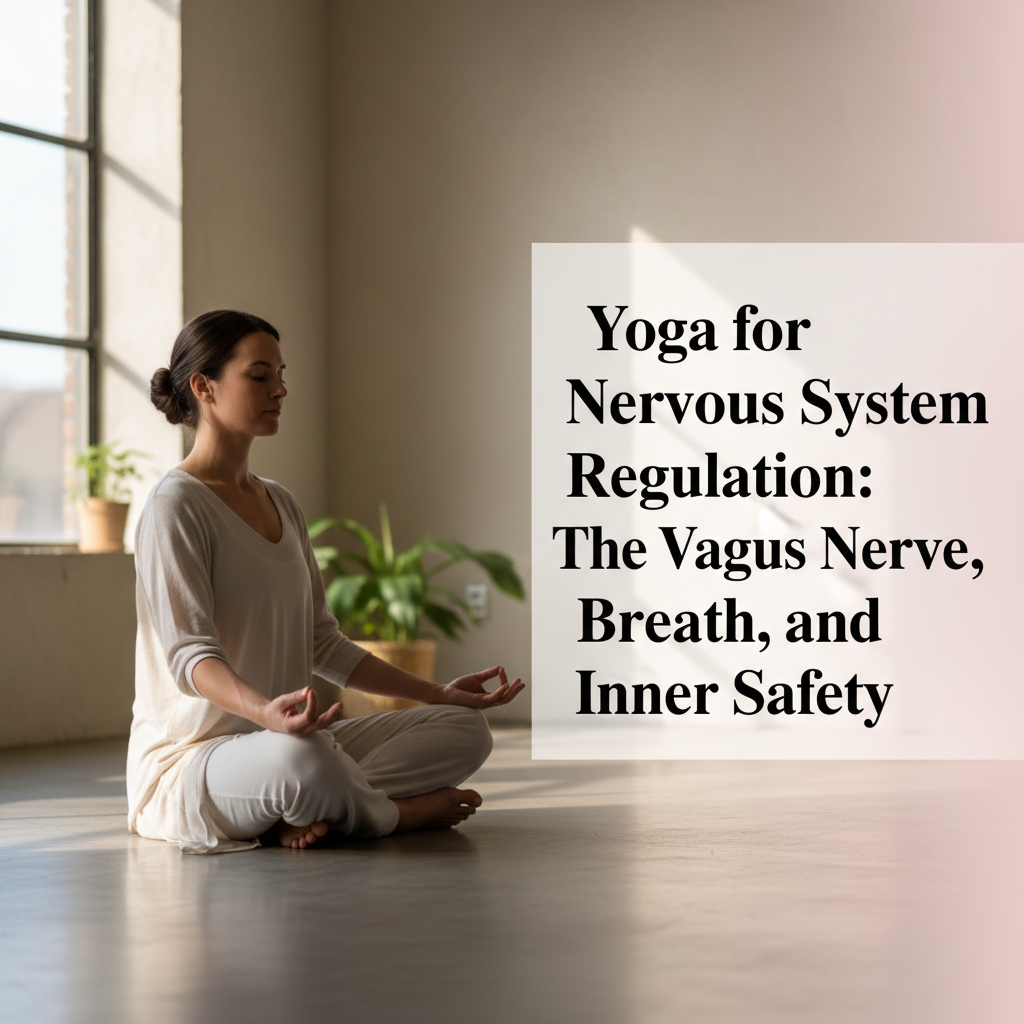
Vagus Nerve Yoga: Breath + Movement for a Calmer Nervous System (Science + Spirit)
A gentle, anatomy-forward path to feeling more grounded. In this post, Jill breaks down what the vagus nerve is (in simple terms), why breath and pacing matter for nervous system regulation, and shares a calming 10-minute practice you can try today—blending science-backed education with the inward journey of yoga and inner safety.
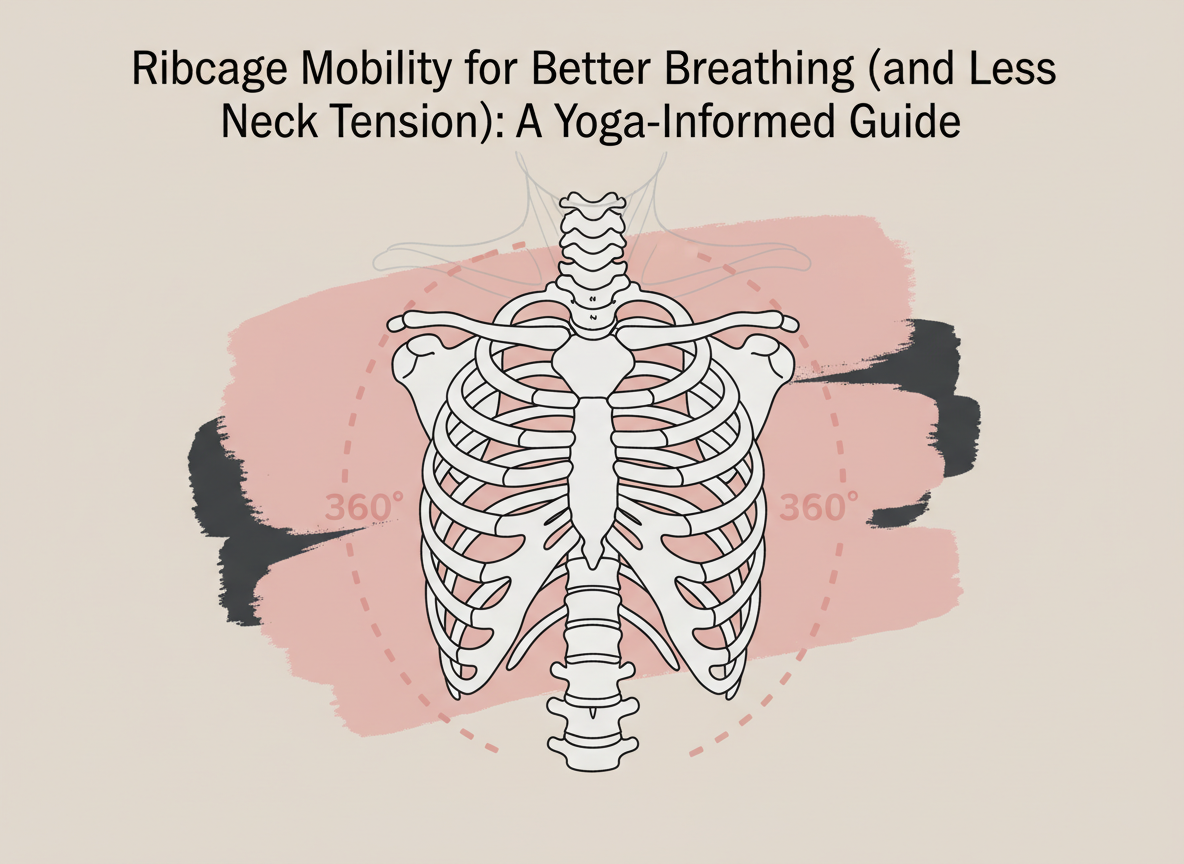
Ribcage Mobility for Better Breathing (and Less Neck Tension): A Yoga-Informed Guide
Your ribcage isn’t a rigid cage—it’s a living, moving structure designed to expand, rotate, and soften with every breath. When that movement gets restricted (hello, desk posture, stress, shallow breathing, tight upper back), your body still has to breathe… so it borrows motion from somewhere else. Often, that “somewhere else” is your neck and shoulders—leading to that familiar tight, overworked feeling at the base of the neck.
Ribcage mobility is one of the most underrated keys to better breathing. When your ribs can move in all directions—front, sides, and back—your diaphragm can do its job more efficiently, your breath feels fuller without effort, and your nervous system gets the message that you’re safe. In this yoga-informed guide, you’ll learn simple ways to restore 360° breath capacity through gentle, targeted movement—so you can breathe deeper, move easier, and let your neck finally stop doing the work your ribcage was meant to do.
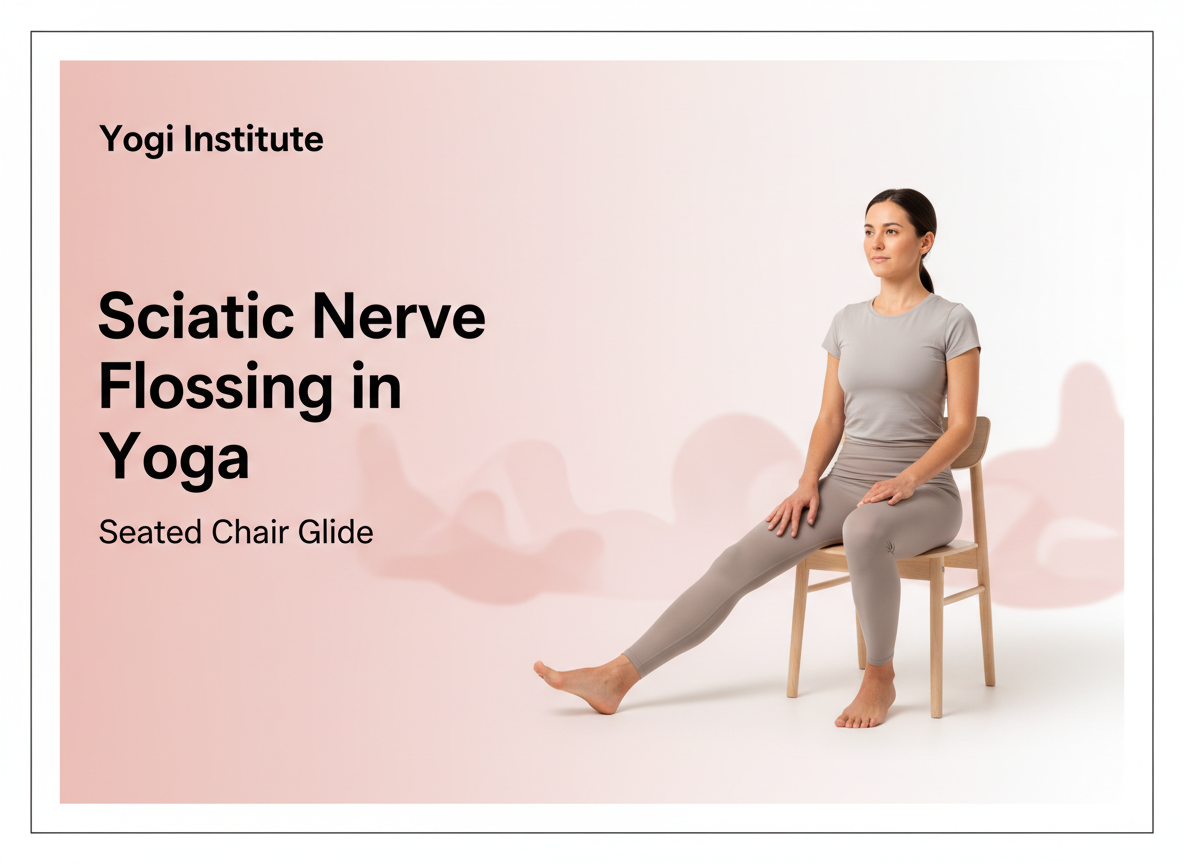
Sciatic Nerve Flossing in Yoga: A Gentle, Anatomy-First Guide (No Medical Claims)
If you’ve ever felt a sharp, zingy, or pulling sensation that seems to travel from your low back or glute down the back of your leg, you’re not alone. A lot of yogis call this “sciatica,” and the instinct is usually to stretch harder—especially the hamstrings. But sometimes what you’re feeling isn’t a tight muscle at all. It’s your nervous system asking for a different kind of support.
In this post, I’m sharing a gentle, anatomy-first approach to sciatic-like symptoms that blends movement science with the inward practice of listening. You’ll learn what “nerve flossing” (also called nerve glides) actually means, why regulating your nervous system matters before you mobilize anything, and a few yoga-friendly options—like a simple seated chair glide—that can help you explore ease without forcing range. No medical claims, no diagnosing—just grounded education and compassionate tools you can try.
From Fight-or-Flight to Flow: A Vagus Nerve–Supportive Yoga Practice
When stress feels stuck in your body, it’s easy to think you need to “calm down” harder. But what if the real practice is learning how to signal safety—gently, consistently, and without forcing anything? In this post, we’ll explore the vagus nerve (your body’s calm pathway), how breath and simple yoga shapes may support nervous system balance, and a few grounding practices you can use anytime you want to come back to center—one exhale at a time.