
Welcome To The Yogi Institute Blog
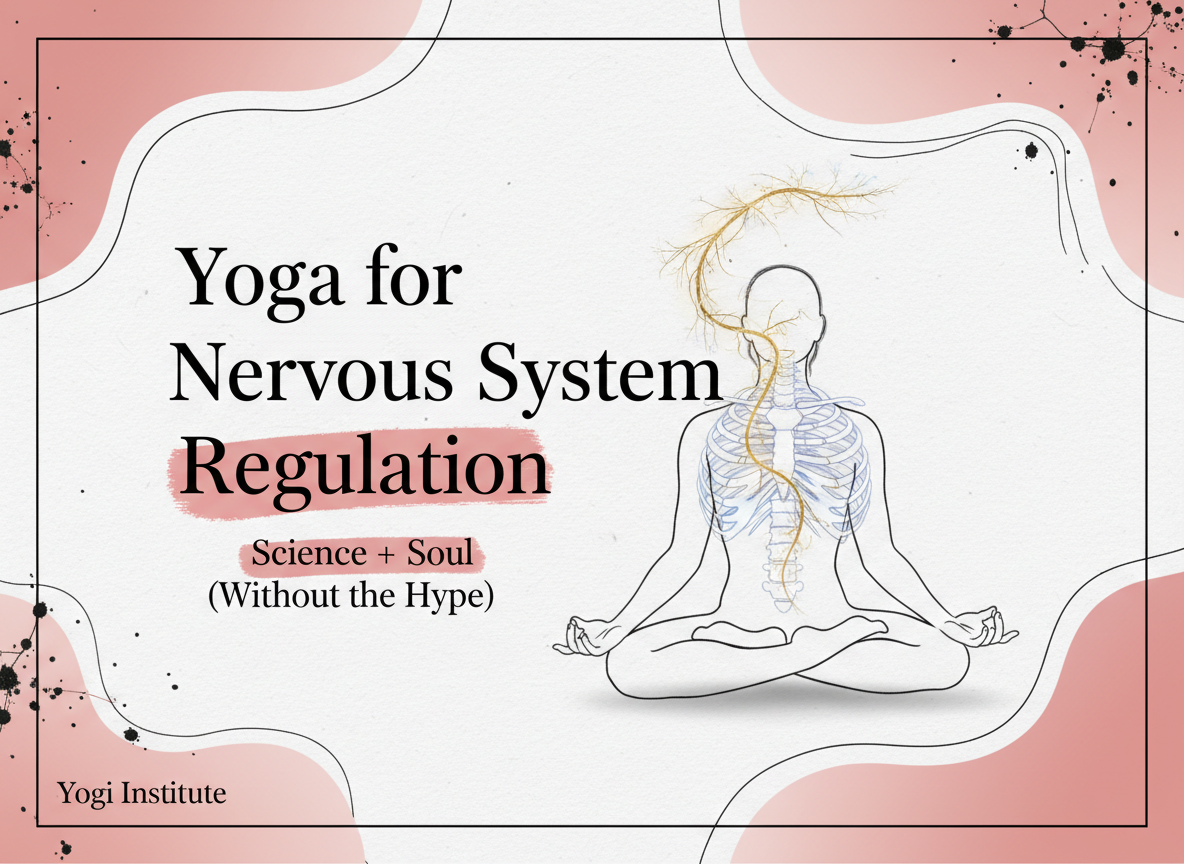
Yoga for Nervous System Regulation: Science + Soul (Without the Hype)
Your nervous system is trainable: when you pair anatomy-smart movement with steady breath and mindful attention, you’re not just “relaxing”—you’re practicing a repeatable skill for resilience. Learn anatomy-forward, breath-led yoga practices that support nervous system regulation—plus a simple sequence to build calm and self-trust.
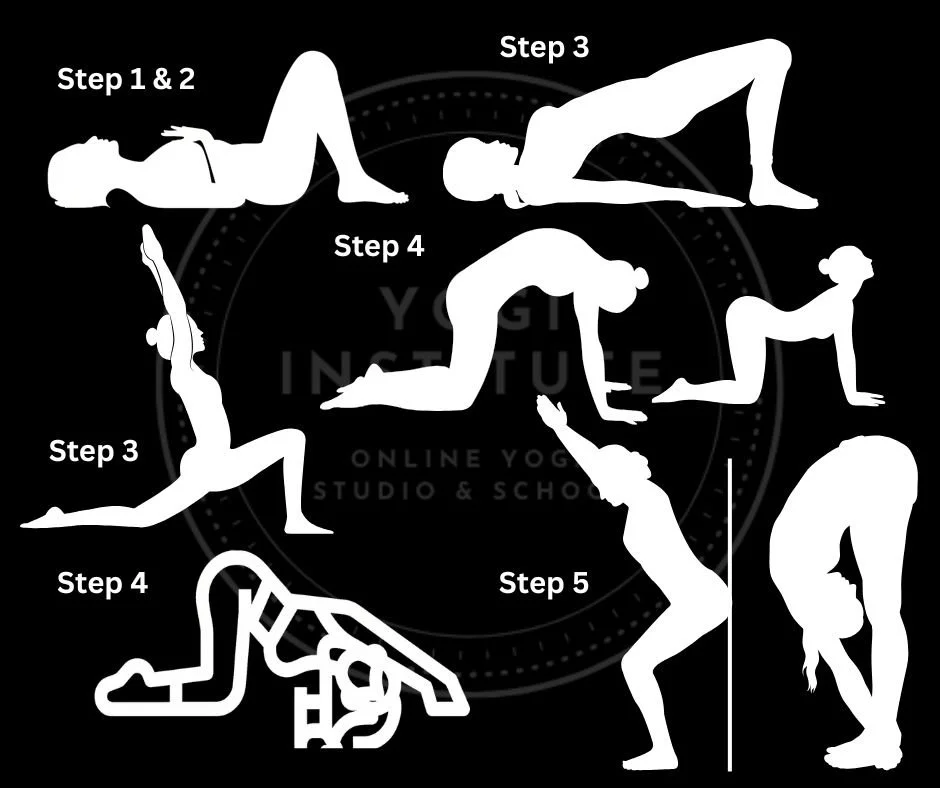
Yoga for Low Back Pain Relief: Anatomy-Informed Moves That Actually Help
If your low back has been feeling tight lately, you don’t necessarily need to stretch harder—you may need a smarter kind of support. In this anatomy-informed practice, we’ll start by downshifting the nervous system with breath, then organize the pelvis and deep core so your low back isn’t doing all the work. From there, we’ll balance the hips (hello, hip flexors and glutes), add gentle thoracic mobility, and finish with simple standing shapes that reinforce steadiness over strain. This is a compassionate, repeatable sequence designed to help you feel more stable, spacious, and at ease—without forcing range of motion.
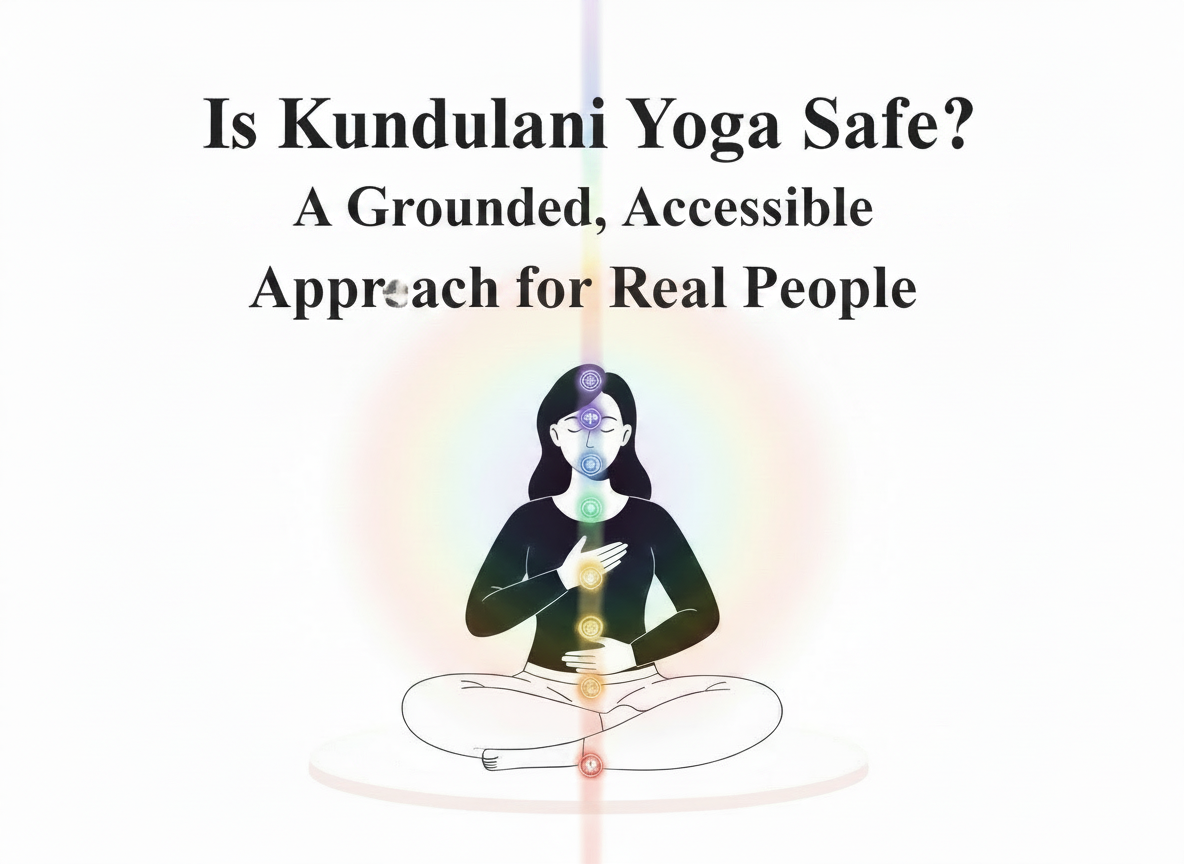
Is Kundalini Yoga Safe? A Grounded, Accessible Approach for Real People
Kundalini Yoga gets labeled as “powerful” for a reason—but powerful doesn’t have to mean intense, scary, or inaccessible. If you’ve been curious and also a little cautious (because of what you’ve heard online), you’re not alone. The truth is: safety in Kundalini isn’t about avoiding the practice—it’s about howit’s taught and how you pace it.
In this post, we’ll explore what Kundalini Yoga actually is, what people mean when they talk about “awakening,” and the green flags to look for in a grounded, beginner-friendly class. You’ll also get a simple, calming practice to help you experience Kundalini in a way that supports your nervous system—without forcing breath, emotion, or energy.
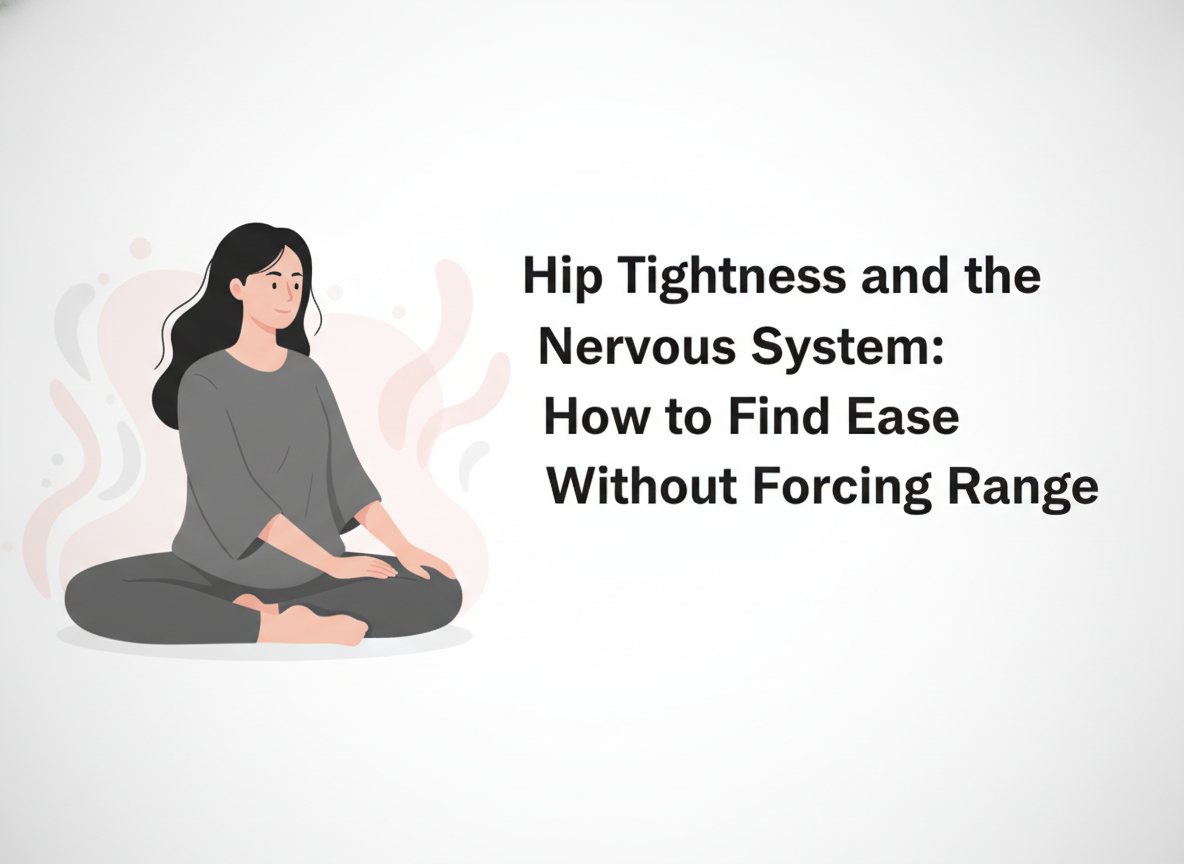
Hip Tightness and the Nervous System: How to Find Ease Without Forcing Range
When your hips feel tight, it’s tempting to assume you just need to stretch more. But often, “tightness” isn’t a flexibility problem—it’s a protection pattern. Your nervous system may be increasing muscle tone to create stability, especially when stress is high, breath is shallow, or your body doesn’t feel fully supported.
In this post, we’ll explore the anatomy around the hip joint, the difference between mobility and stability, and why forcing range can backfire. You’ll also get a gentle, yoga-informed reset you can try to invite ease—without pushing, pulling, or overriding what your body is trying to say.
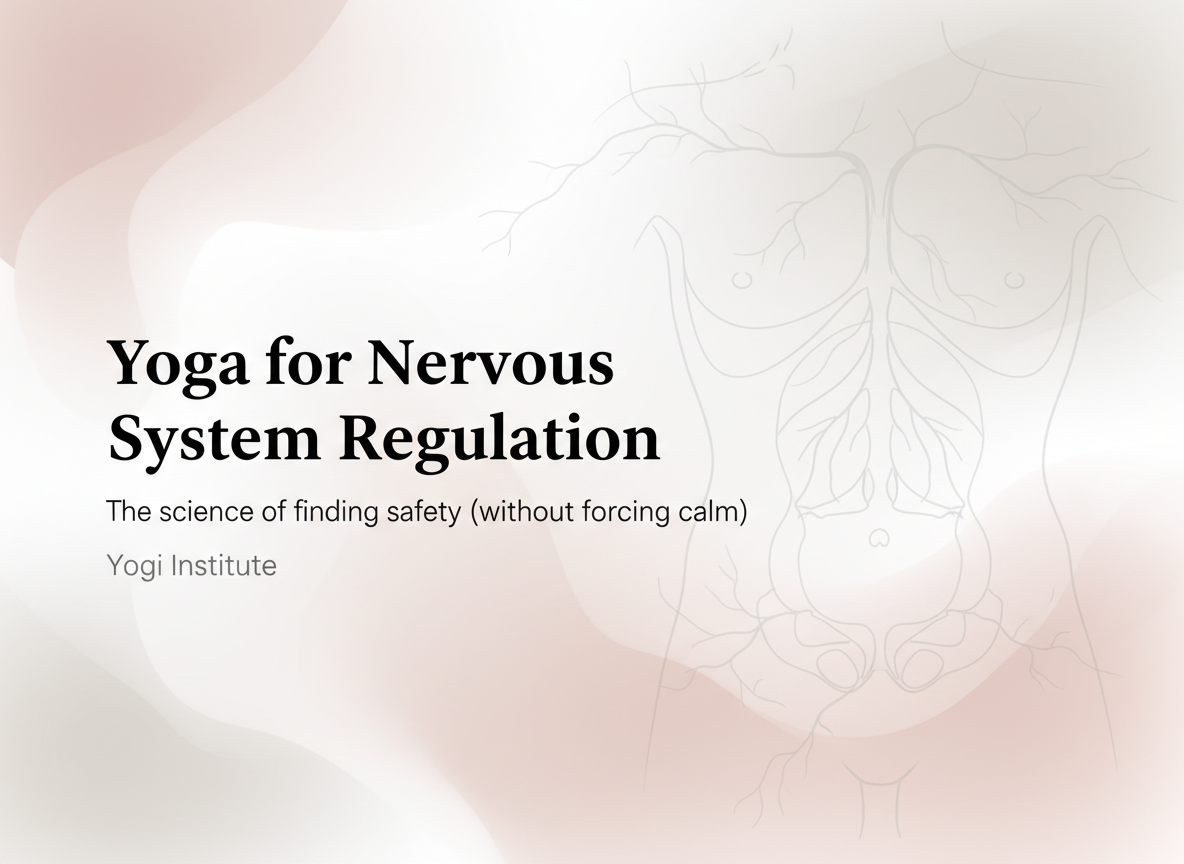
Yoga for Nervous System Regulation: The Science of Finding Safety (Without Forcing Calm)
When your mind says “relax” but your body won’t cooperate, it’s not a willpower problem—it’s your nervous system doing its job. In today’s post, we’ll break down what nervous system regulation actually means (in both anatomy and yoga terms), why “forcing calm” can backfire, and how simple choices in breath, pacing, and posture can help your system shift toward steadiness. You’ll learn practical, nervous-system-friendly tools you can use in real life—whether you have 3 minutes between meetings or you’re ready for a full practice—so you can build felt safety from the inside out, one breath at a time.
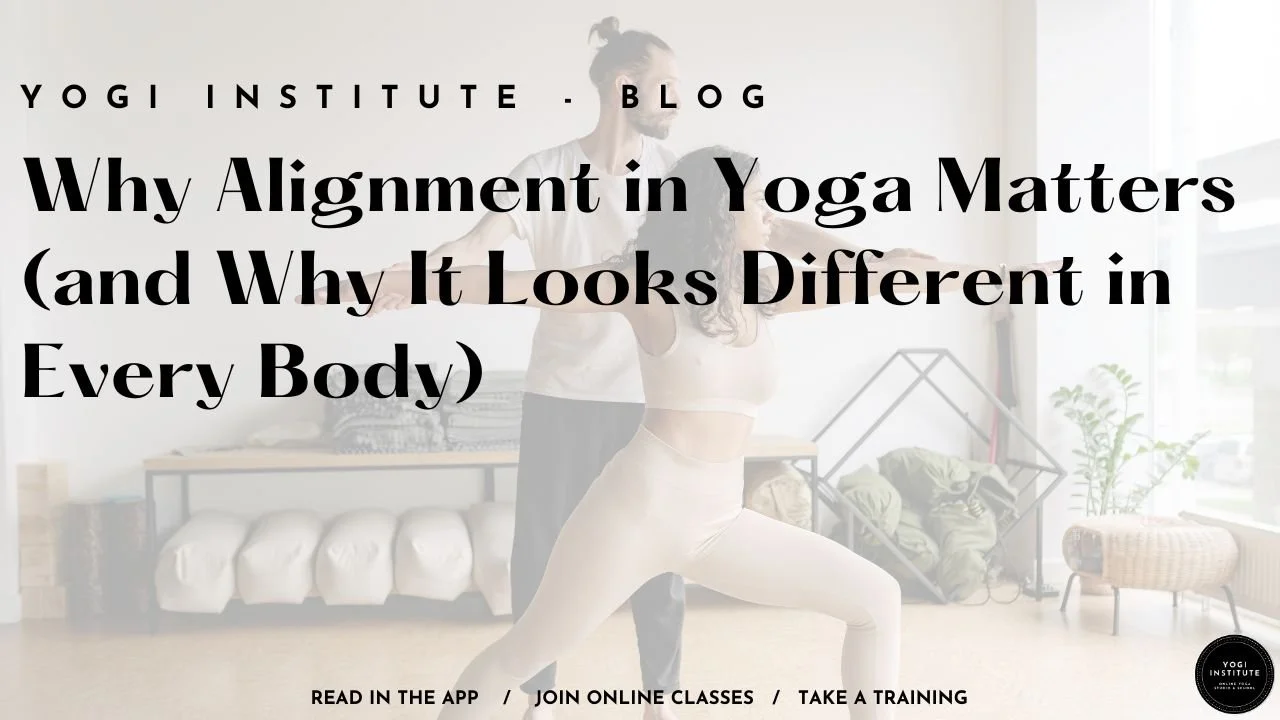
Why Alignment in Yoga Matters (and Why It Looks Different in Every Body)
Alignment isn’t about achieving a “perfect” yoga shape—it’s about creating a relationship between your bones, joints, muscles, breath, and attention that supports yourbody. When we practice with intelligent alignment, we build safety and stability, strengthen the right systems, and give the nervous system a clear message: you’re supported here. And from that support, something deeper becomes possible—steadier breath, clearer focus, and a more honest connection to what’s happening inside.
Just as importantly, alignment is never one-size-fits-all. Bone length, joint structure, muscle activation patterns, balance, and injury history all shape how a posture should be expressed. Seeking individualized alignment invites us to turn inward instead of comparing outwardly. With curiosity and compassion, we stop chasing someone else’s form and start listening for our own—moment by moment, breath by breath.